§1 · Dossier open Reviewed as of 2026
EUDR compliance Indonesia, explained in plain language
Understand geolocation, the Due Diligence Statement, and deforestation-free proof for coffee, cocoa, rubber and wood — this is an independent, date-stamped guide to EUDR compliance Indonesia exporters can actually organise around.
General guidance, not legal advice — confirm current EUDR requirements with the European Commission, your EU importer, and a licensed adviser.
DDS readiness self-check
Select your commodity and role, then tick the obligations you can already evidence. Everything runs in your browser — no account, nothing sent anywhere. This organises your own due diligence; it is not certification or legal advice.
—
Open gaps
This read-out organises your own due diligence — it is not certification, a guarantee, or legal advice, and no "pass" is issued. Confirm current requirements at the official sources register and with a licensed adviser.
The four obligations matrix
Every EUDR due-diligence obligation, in plain English and Bahasa Indonesia, with where it sits in Regulation (EU) 2023/1115. As of 2026 — verify against the EU official source.
| # | Obligation | Plain meaning (EN / ID) | Where it sits |
|---|---|---|---|
| 1 | Geolocation of plots | Coordinates or polygons for every plot the commodity came from.Titik koordinat atau poligon untuk setiap lahan asal komoditas. | Information requirements — geolocation of plots of land (Reg. 2023/1115, Art. 9). |
| 2 | Due Diligence Statement | A DDS submitted before placing goods on the EU market.Pernyataan Uji Tuntas (DDS) diajukan sebelum barang masuk pasar UE. | Due diligence + filing via the EU Information System (Art. 4 & Art. 33). |
| 3 | Deforestation-free | Land not deforested after the 31 December 2020 cutoff.Lahan tidak mengalami deforestasi setelah batas 31 Desember 2020. | Deforestation-free definition + cutoff (Art. 2 & Art. 3(a)). |
| 4 | Legal & traceable | Produced legally in the country of origin, with traceability records.Diproduksi secara sah di negara asal, dengan catatan ketertelusuran. | Legality condition + traceability (Art. 3(b) & Art. 9). |
Article pointers are provided to orient your reading, as of 2026 — always read the current consolidated text of Regulation (EU) 2023/1115.
Commodity scope grid
EUDR covers seven commodities — 7 in total (cattle, cocoa, coffee, oil palm, rubber, soya, wood). These four are Indonesia's core export base. Export context as of 2026.
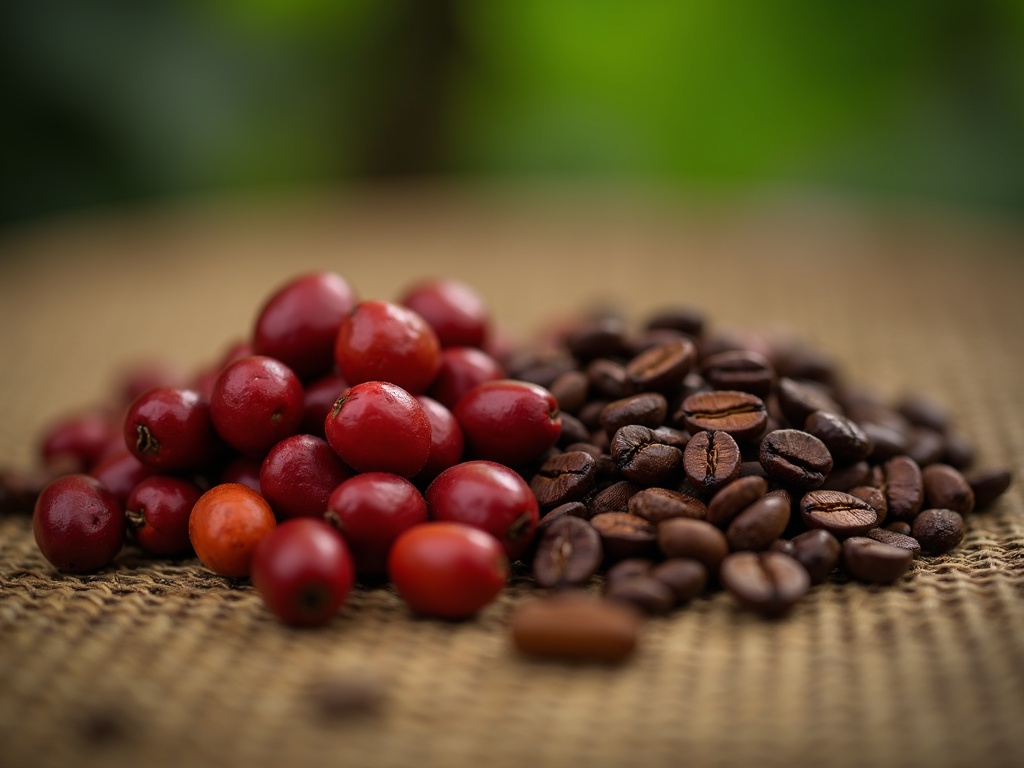
Coffee
HS heading 0901 (coffee, roasted or not).
Indonesia is a major smallholder-coffee origin — plot-level geolocation across many small farms is the practical hurdle.
Coffee exporter guideCocoa
HS heading 1801 (cocoa beans) and derivatives.
Cocoa moves through collectors and cooperatives — traceability back to the plot is where records usually break.
Cocoa exporter guide
Rubber
HS heading 4001 (natural rubber) and derivatives.
Smallholder rubber tapping is widely dispersed; consolidating plot polygons per supplier is the main effort.
Rubber exporter guide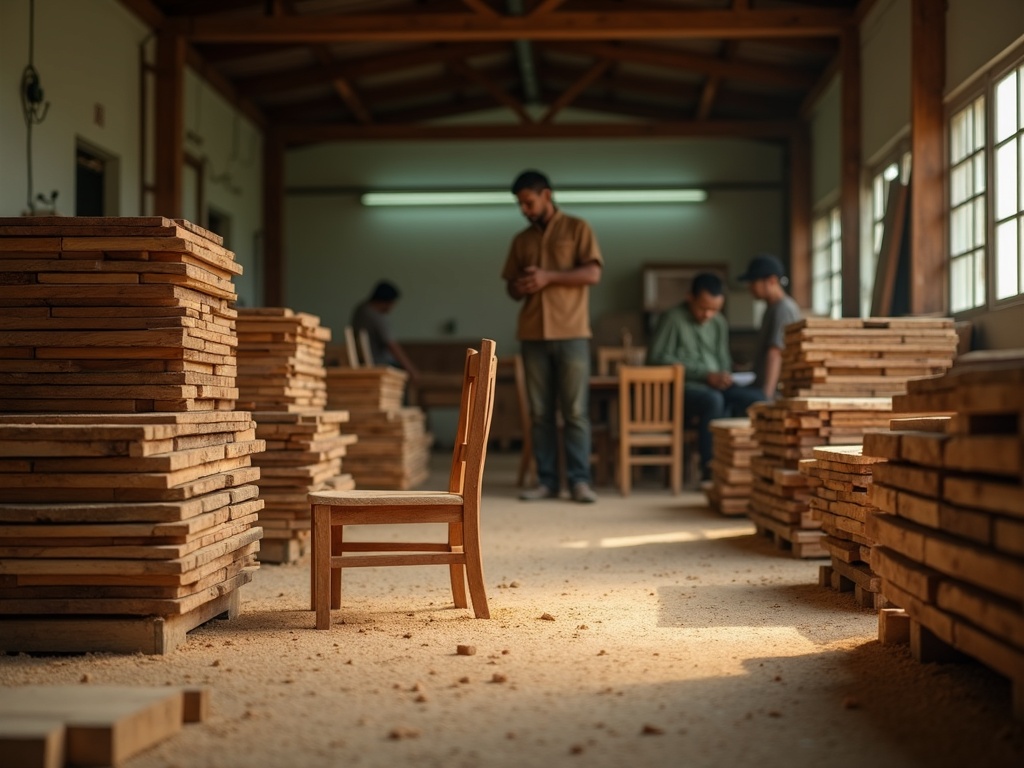
Wood & Furniture
HS Chapter 44 (wood) and wooden furniture in Chapter 94.
Indonesia's SVLK timber-legality system helps on legality, but geolocation and deforestation-free proof are separate EUDR asks.
Wood exporter guideHS headings are indicative, as of 2026 — confirm the exact codes and Annex I scope in the current Regulation before you classify a shipment.
The deadline ledger
Application dates as announced for 2026. Dates for EUDR have shifted before — treat these as a planning anchor, not a fixed fact. As of 2026 — confirm at the EU source.
| Operator size | Application date | What must be ready | Status |
|---|---|---|---|
| Large & non-SME operators / traders | 30 December 2026 | Geolocation for all plots, deforestation-free proof, legality records, and a DDS ready to file in the EU Information System. | — days |
| Micro & small enterprises (SMEs) | 30 June 2027 | Same four obligations, with simplifications available to smaller operators — begin geolocation and record-gathering early. | — days |
These are the dates as announced and read here as of 2026; the European Commission is the authority on the current application dates — verify before you rely on them.
How the DDS + geolocation walkthrough works
A plain-language sequence for organising your own due diligence. This is information to structure your work — not advice on any specific shipment.
-
01

Map the plots
Record coordinates or polygons for every plot supplying the commodity, tied to each supplier.
-
02
Gather the proof
Collect deforestation-free evidence after the 31 Dec 2020 cutoff plus legality and traceability records.
-
03
Draft the DDS
Assemble the Due Diligence Statement, referencing the geolocation data and risk assessment behind it.
-
04
File & keep records
Submit the DDS in the EU Information System and retain the underlying documentation for audit.
We are an independent information and advisory hub — not an official authority or certifier. This walkthrough is general guidance, not legal advice.
Guides & routes
Where to go next, grouped by how you work.
By commodity
Compliance steps
Official sources register
Every claim on this page is meant to be checked. These are the primary references — read them before you act, and prefer them over any secondary summary.
| Reference | What it is | Checked |
|---|---|---|
| Regulation (EU) 2023/1115 | The EU Deforestation Regulation (EUDR) itself — the binding legal text. | Last checked 2026 |
| European Commission — Deforestation | Official guidance, FAQ and updates (environment.ec.europa.eu). | Last checked 2026 |
| EU Information System for DDS | The official system where Due Diligence Statements are registered. | Last checked 2026 |
| Indonesian timber-legality (SVLK) | National legality references relevant to wood and furniture exporters. | Last checked 2026 |
The European Commission and Regulation (EU) 2023/1115 are the authoritative sources; where anything here differs from the official text, the official text governs.
Plain-language FAQ
Short answers to the questions exporters ask first. Full answers live in the FAQ.
Does EUDR apply to my coffee?
If coffee (HS 0901) is placed on or exported from the EU market, it is in scope. You will generally need geolocation for every plot, deforestation-free proof after 31 Dec 2020, legality records, and a filed DDS. Confirm your exact obligations with your EU importer and the official sources.
What is a DDS?
A Due Diligence Statement — the declaration submitted in the EU Information System confirming you have carried out due diligence and that the goods are deforestation-free and legally produced. It is filed before goods are placed on the EU market.
What geolocation is required?
Coordinates or polygons for every plot of land where the commodity was produced, tied to the volume from that plot. For smallholder sourcing this means consolidating many small plots per supplier — usually the largest single task.
When is my deadline?
As announced for 2026: 30 December 2026 for large and non-SME operators / traders, and 30 June 2027 for micro and small enterprises. Dates have shifted before — confirm the current application date at the European Commission source.
Are you an official authority or certifier?
No. We are an independent information and advisory hub, part of Juara Holding Group. We do not issue certificates, do not sell "guaranteed compliance", and everything here is general guidance rather than legal advice.
Get the plain-language EUDR brief
Tell us your commodity and where you are in the four obligations. We reply within 24 business hours with a plain-language brief to help you organise your own due diligence — no obligation, no certification claims.
- Independent guidance, honestly framed
- Bilingual EN / ID welcome
- in writing — we never ask for payment details here
General guidance, not legal advice — confirm current EUDR requirements with the European Commission, your EU importer, and a licensed adviser.